
Common Appliance Problems in Shrewsbury Homes
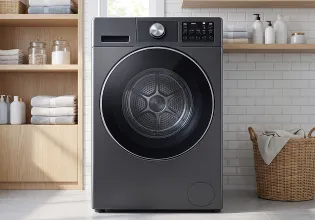
A dryer in an older Shrewsbury single-family takes forty-five minutes longer than it should to finish a load. The lint trap is clean, but the exhaust duct runs through the basement ceiling, makes two turns, and exits through a side wall — and nobody has checked the vent in years. That kind of slow-building problem is one of the most common calls we see across town.
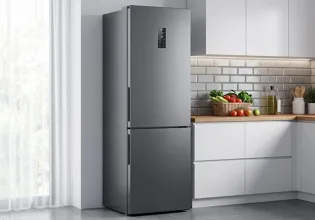
- Refrigerators that stop cooling often have a condenser coil caked with dust, especially in kitchens where the fridge sits tight between cabinets with almost no clearance behind it.
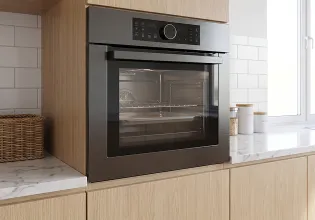
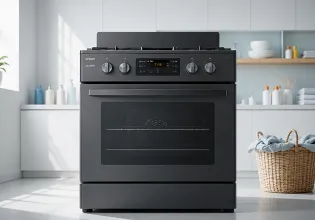
- Gas ovens and stoves that won't heat evenly — sometimes the igniter is worn out, sometimes a burner port is clogged. If you smell gas at all, shut the valve and call a licensed technician before anything else.
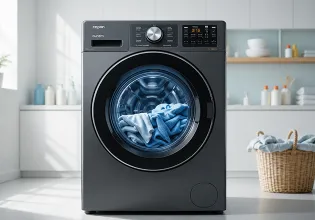
- Washers leaking onto a basement floor. In many Shrewsbury homes the laundry hookups sit in an unfinished basement, and a slow hose leak can go unnoticed for weeks until water reaches the finished side of the room.
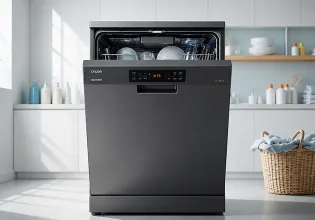
- Dishwashers that leave dishes dirty or won't drain completely. We usually see this when the drain hose connection under the sink has sagged or when hard water residue builds up inside the spray arms.
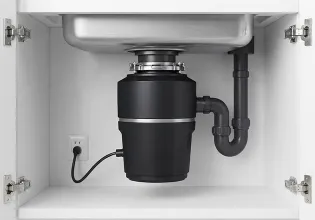
- Garbage disposals that jam or hum without spinning — often just a small bone fragment wedged under the impeller plate, but worth checking the reset button first.
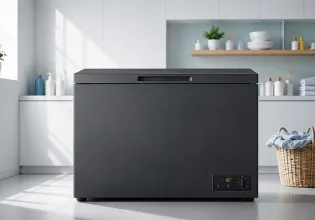
- Freezers that frost up heavily along the back wall, which usually points to a failing defrost heater or a door gasket that no longer seals flat.
Local Utility, Permit, Safety, and Disposal Factors in Shrewsbury
If a repair job turns into a replacement — or if installation work touches a gas line, an electrical circuit, or a water connection — Shrewsbury has specific permit requirements you should know about before the installer shows up. The town's Building Department issues separate gas, electrical, and plumbing permits depending on the scope of work. Swapping a gas range for a new one? The contractor has to pull a gas permit through Shrewsbury Building Department permits. Adding a dedicated circuit for a new dishwasher? That requires an electrical permit. Under the Massachusetts State Plumbing and Gas Code, only a licensed plumber or gas fitter can legally perform gas connections or plumbing tie-ins in the town. Ask your installer to confirm the permit number before work begins.
Safety is the other side of that coin. The Shrewsbury Fire Department fire prevention office enforces residential fire codes that directly affect appliances. Dryer lint buildup is one of the leading causes of house fires, and in older Shrewsbury homes where the dryer sits in a basement corner with a long, kinked exhaust run, the risk goes up. If your dryer takes noticeably longer to dry clothes, that vent run needs to be cleaned — not just the lint screen.
Massachusetts law also requires carbon monoxide detectors in every home that has a fossil-fuel-burning appliance. That includes gas ranges, gas dryers, and gas ovens. The Massachusetts State Fire Code sets the standard, and the Shrewsbury Fire Department enforces it locally. If you suspect a gas leak or a CO detector goes off, get everyone out of the house and call the fire department at (508) 841-8520. Don't try to troubleshoot a gas appliance yourself.
Water-connected appliances — washers, dishwashers, garbage disposals, and refrigerators with ice makers — all tie into Shrewsbury's municipal water and sewer system. The town sources its water from the Massachusetts Water Resources Authority (MWRA) through the DPW. Water pressure and supply line condition in your home directly affect how a washer fills and how a dishwasher cleans. If a dishwasher cycle seems weak or a washer takes forever to fill, the problem might not be the appliance itself — it could be a partially closed shutoff valve or corroded supply line behind the wall. For questions about water or sewer service, you can reach the Shrewsbury water and sewer services division at the DPW.
Shrewsbury Building Department
100 Maple Avenue
Shrewsbury, MA 01545
Phone: (508) 841-8509
Official Website
What Makes Appliance Repair in Shrewsbury Different
Shrewsbury is a town, not a city — and that shapes how appliance work actually gets done here. Permits go through the town's Building Department on Maple Avenue rather than through a large municipal inspectional services portal. The process tends to be more direct, but it also means the homeowner and the contractor both need to know the local steps. You can't just assume the rules match Worcester or Framingham next door. Gas permits, electrical permits, and plumbing permits are each handled separately, and the contractor — not the homeowner — has to be the one pulling them under Massachusetts licensing law.
Disposal is another real difference. In Shrewsbury, you can't drag a dead refrigerator to the curb and expect it to disappear on trash day. The DPW runs an appointment-based Shrewsbury DPW bulky item disposal program for large appliances. Freon-containing units like refrigerators and freezers need proper handling under environmental rules before the town will collect them. That extra step matters when you're deciding between repairing a fifteen-year-old fridge or replacing it — because replacement means scheduling the pickup, not just buying the new unit.
Appliance Replacement and Household Equipment Considerations in Shrewsbury
When a repair no longer makes sense — the compressor on a twenty-year-old freezer, a cracked tub on a front-load washer — the next steps in Shrewsbury involve more than picking out a new model. Start with the old unit: you need to schedule a bulky item pickup through the Department of Public Works before you set anything at the curb. The DPW accepts refrigerators, freezers, washers, and dryers through their special collection program, but you have to call ahead. No appointment means no pickup.
Shrewsbury Department of Public Works
100 Maple Avenue
Shrewsbury, MA 01545
Phone: (508) 841-8500
Official Website
On the installation side, any new gas dryer, gas range, or gas oven connection requires a gas permit from the Building Department, and the work has to be done by a Massachusetts-licensed gas fitter. Same goes for plumbing: if a new dishwasher or garbage disposal needs a drain or supply connection, a plumbing permit is required. Skipping that step isn't just risky — unlicensed gas or plumbing work is a code violation statewide, and it can create problems when you sell the home. Ask the installer whether they've pulled the permit before they start disconnecting anything.
Shrewsbury homeowners are also protected under Massachusetts consumer protection law (Chapter 93A), which prohibits deceptive billing and misrepresentation in repair and installation services. If something feels off about a quote or a charge, you have the right to file a complaint with the Attorney General's office.
Areas We Serve Throughout Shrewsbury
We provide appliance repair service to homes across Shrewsbury, including single-family houses, older homes, and condo communities throughout town. While Shrewsbury doesn't break down into formally named neighborhoods the way a larger city might, the housing varies quite a bit from one part of town to another — and that affects the work.
- Homes near Route 9 corridor — Often newer construction or recently renovated kitchens with built-in dishwashers and compact cabinet layouts. Getting a full-size range out through a tight galley kitchen takes some planning.
- Older homes near the town center — These frequently have original basement laundry setups with galvanized supply lines that restrict water flow to the washer. Worth checking the shutoff valves before assuming the machine is at fault.
- Condo communities throughout town — Stacked washer-dryer units, shared venting, and sometimes condo association rules about scheduling service visits or reserving elevators. Always confirm access requirements before the appointment.
- Single-family homes off Main Street — Many date to the mid-twentieth century with gas ranges that have been in place for decades. If the oven igniter clicks but doesn't light, it's usually a worn igniter — but confirm your CO detectors are working before using the range again.
- Properties along Lake Street and nearby areas — Homes here often have longer dryer vent runs routed through crawl spaces or basements. Lint builds up faster in longer ducts, and we usually recommend cleaning the full run at least once a year.
- Newer subdivisions on the west side of town — Modern appliance packages with electronic control boards that are sensitive to power surges. A dedicated surge protector at the outlet can save an expensive board replacement down the road.
- Homes near Floral Street — Mixed housing stock with some older ranch-style homes where the refrigerator sits in an alcove with barely an inch of clearance on each side. Poor airflow around the condenser coils makes the compressor work harder and wear out faster.
- Residences near Oak Street and surrounding roads — Basement freezers are common here, especially in homes with larger families. A chest freezer in an unheated garage or basement can struggle in very cold weather if it isn't rated for low-temperature operation.